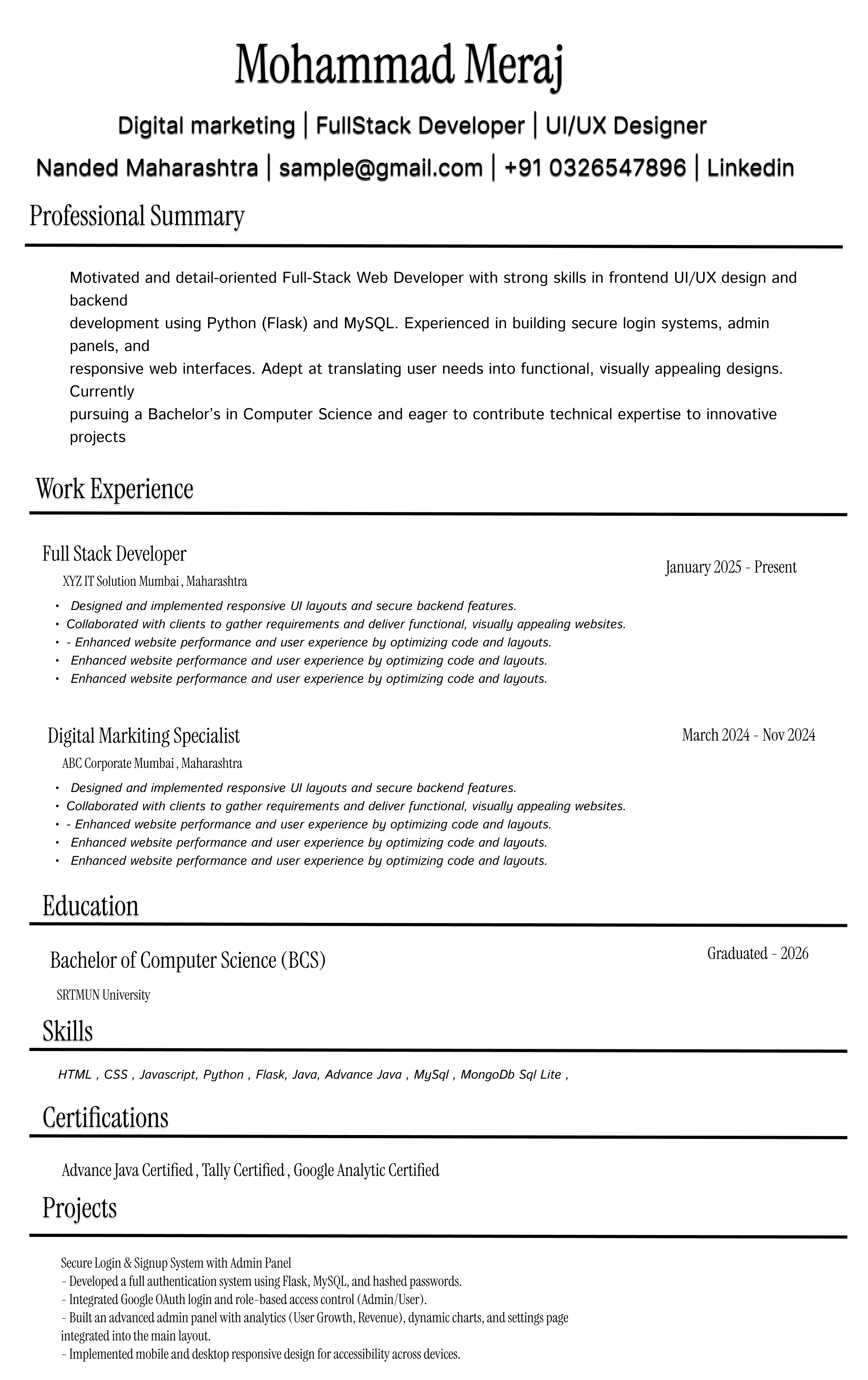
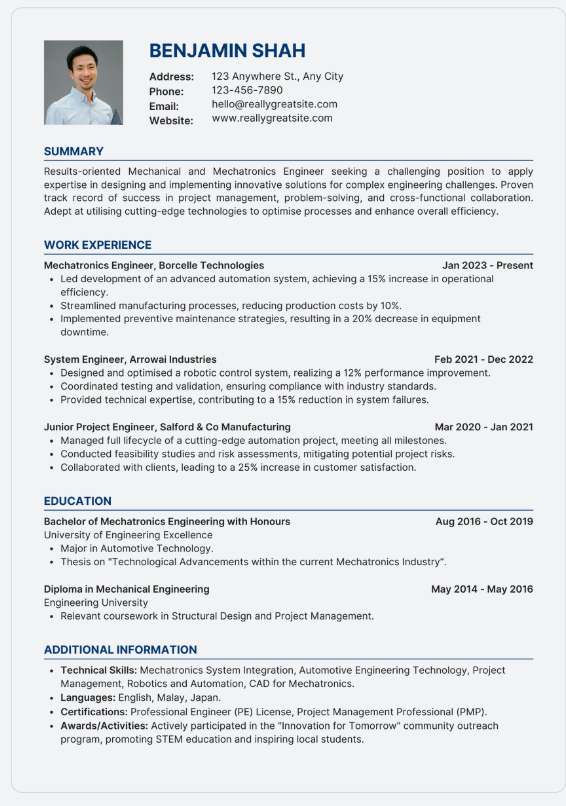
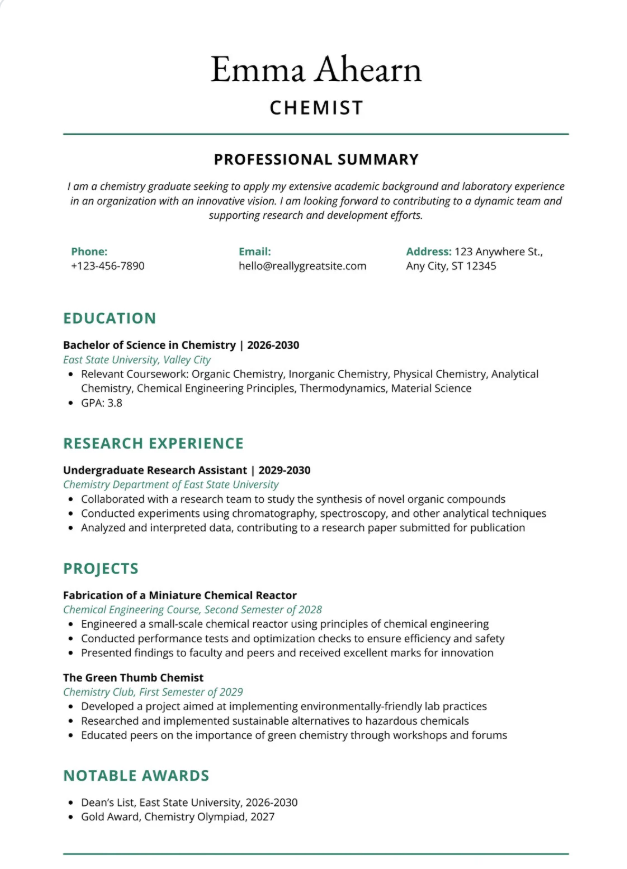
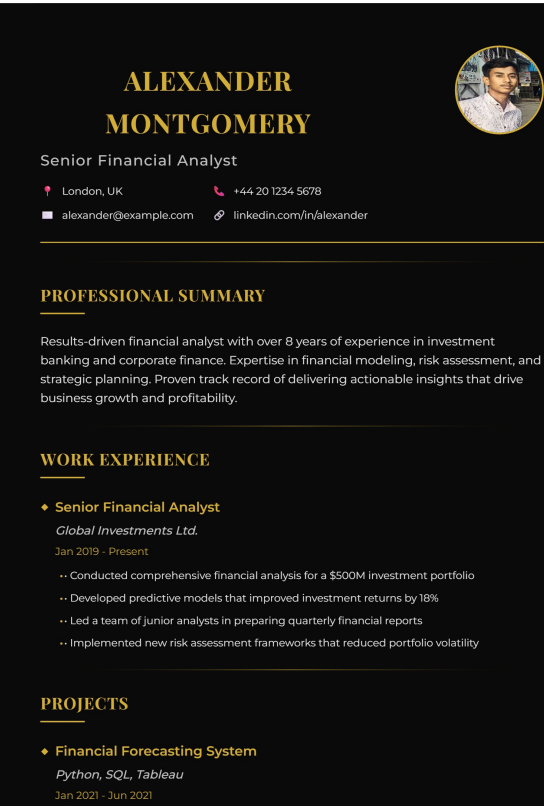
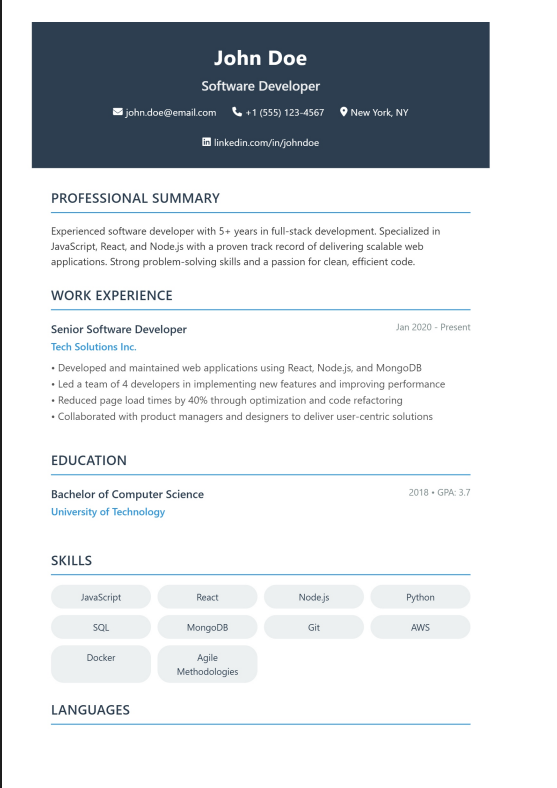
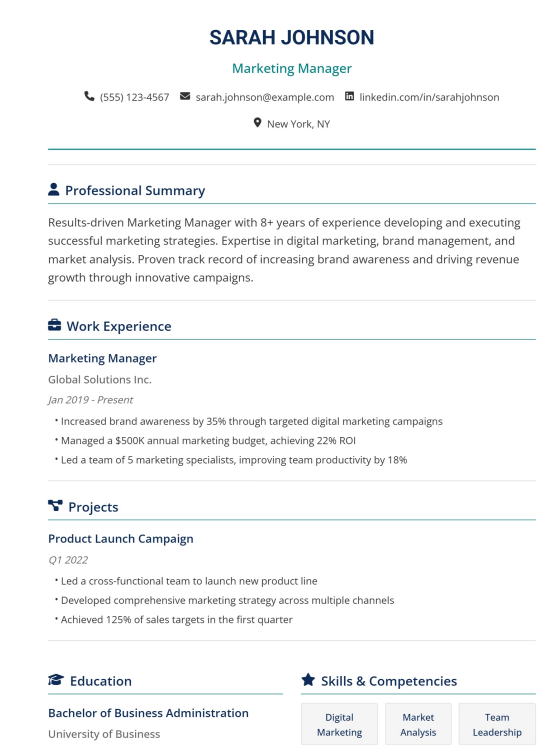
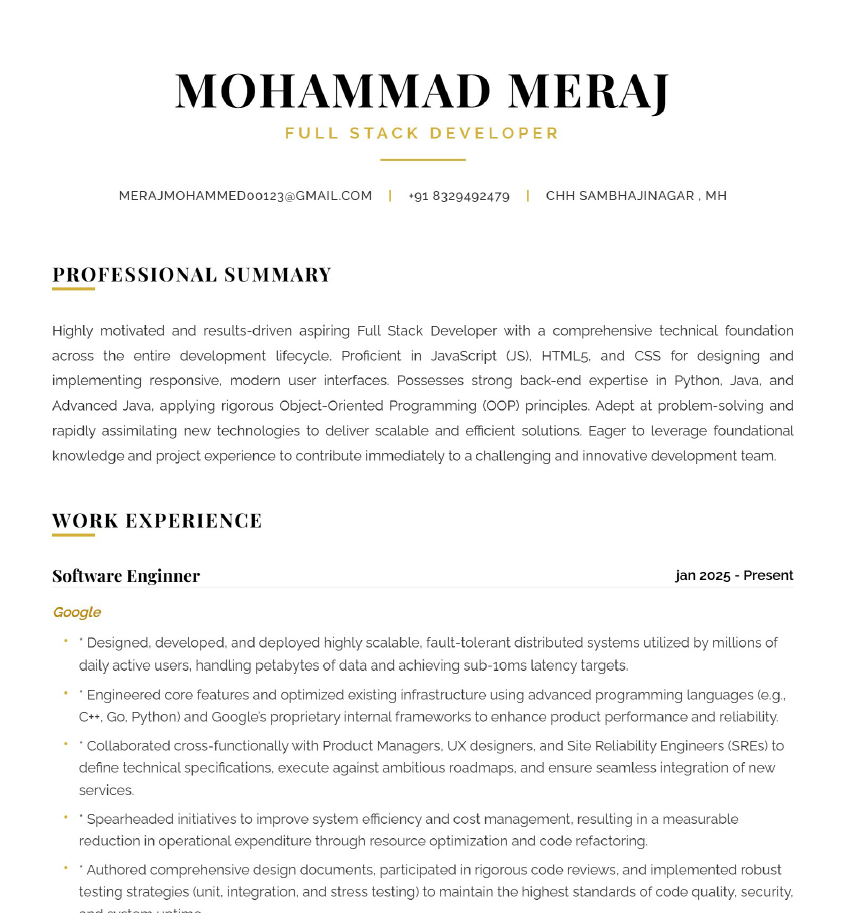
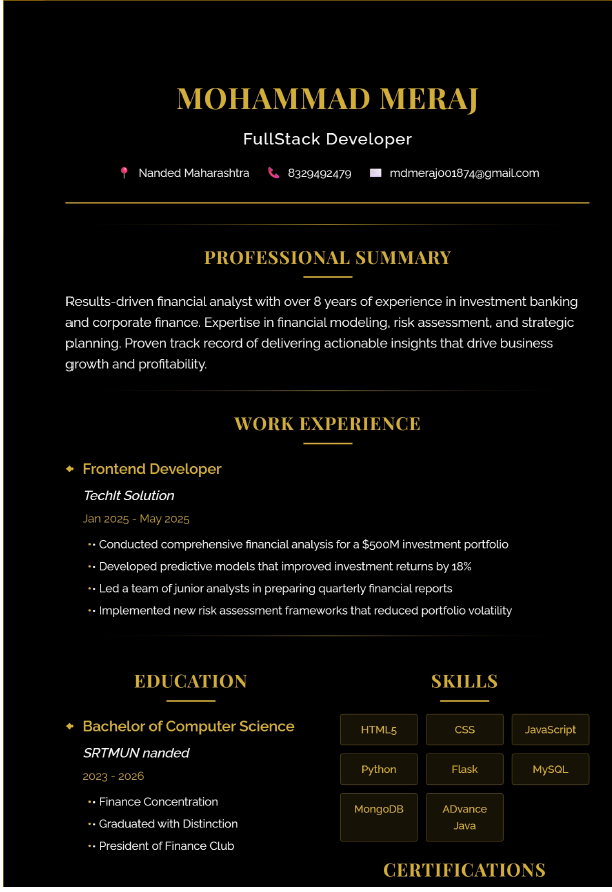
Choose from our collection of ATS-optimized resume templates. Each template is designed to pass through applicant tracking systems while impressing recruiters.
Try searching for "Modern", "Creative" or "ATS".
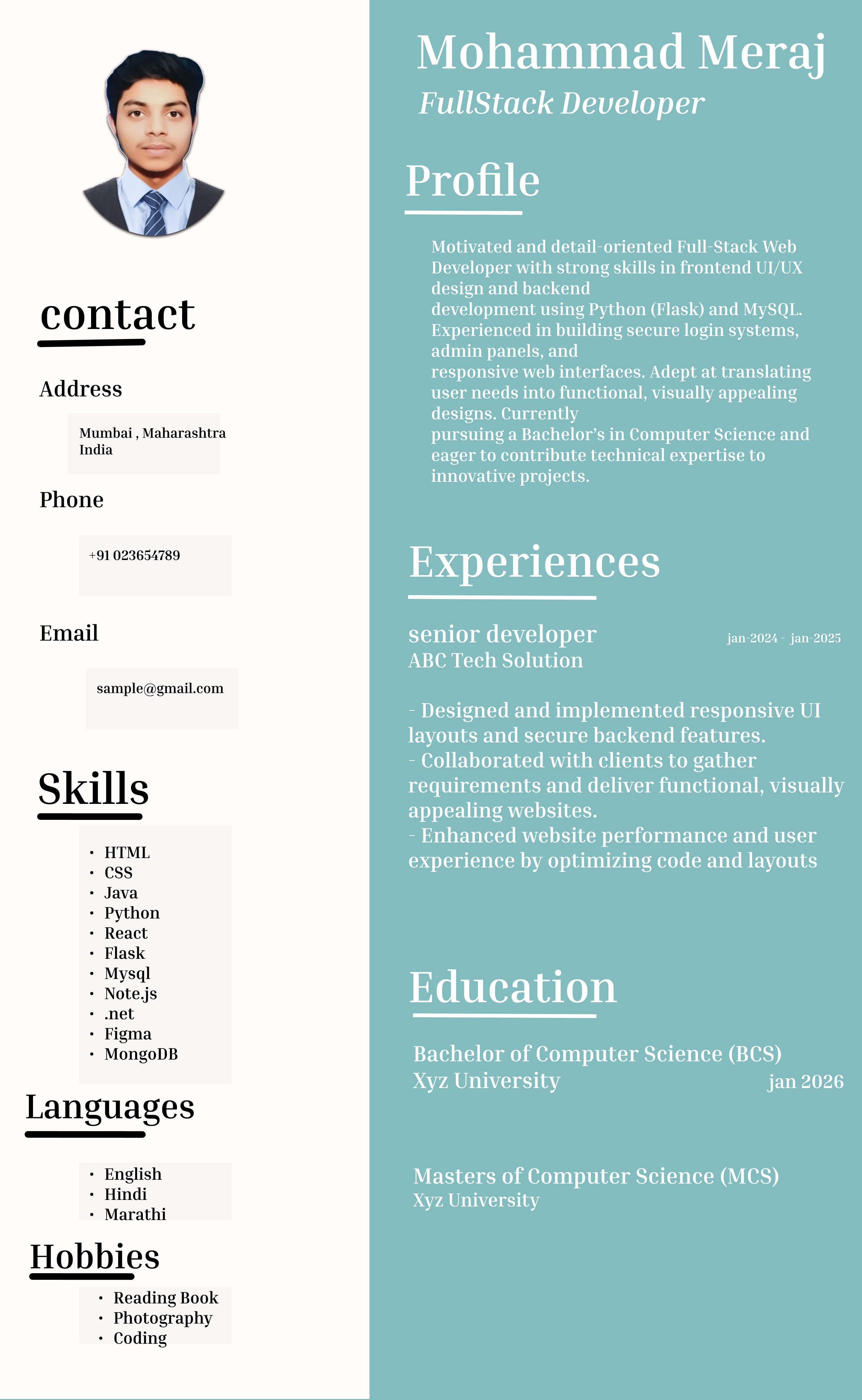
Get access to 50+ exclusive templates, AI writing assistant, and cover letter builder.
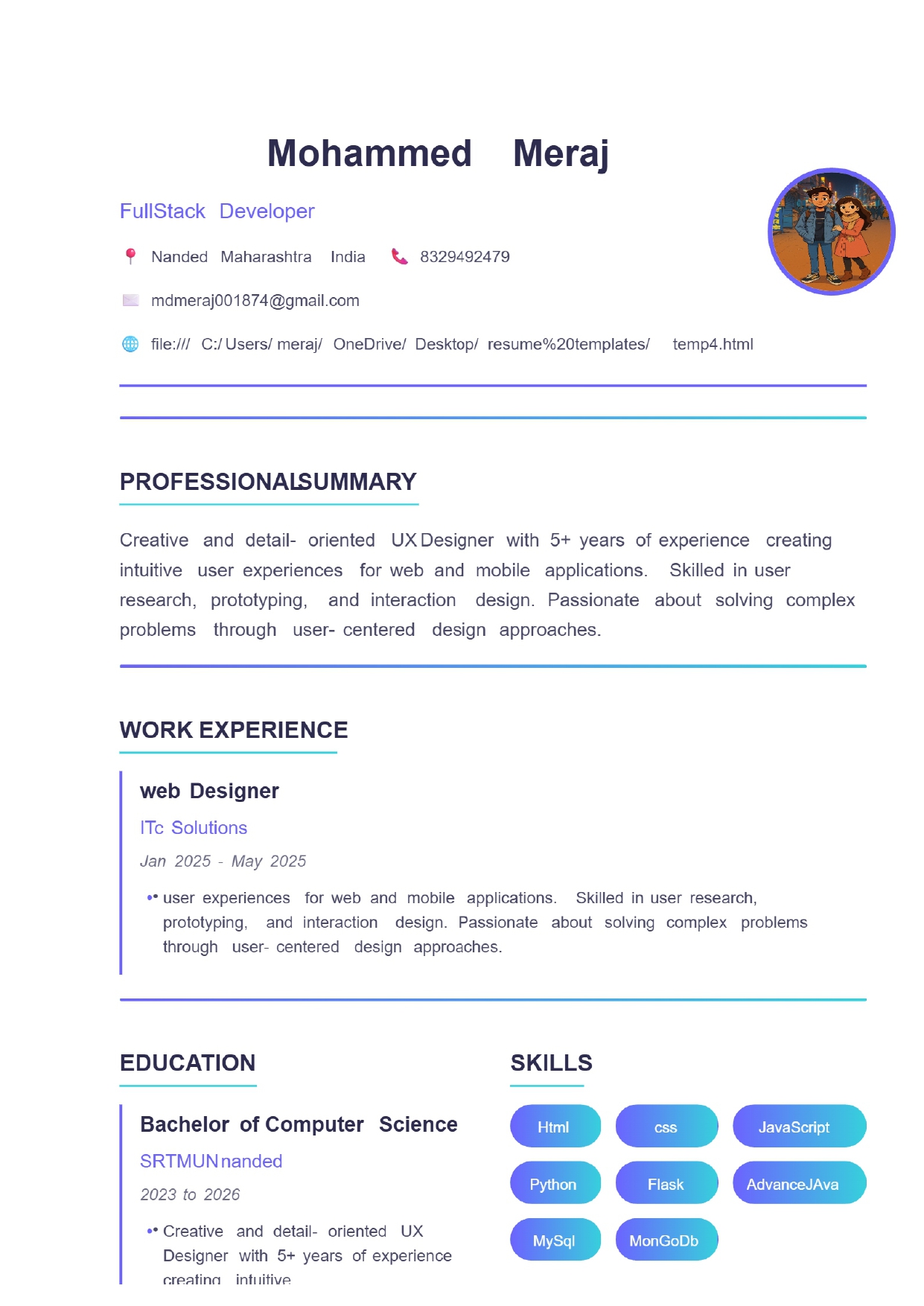
Designed for success in today's competitive job market
All templates are designed to pass through Applicant Tracking Systems without formatting issues. Clean structure and proper headings ensure your resume gets seen.
Templates are tested and approved by professional recruiters and hiring managers. Industry-standard formats that make the right impression.
Looks perfect on all devices - desktop, tablet, and mobile. Your resume will always display correctly, no matter how it's viewed.
Choose a template and start building your ATS-optimized resume in minutes
Start Building NowDeep mechanical insights into applicant tracking frameworks, blueprint layouts, and standard algorithmic compliance indices.
An ATS resume template is a structurally engineered document layout specifically benchmarked to pass through electronic screening software without data extraction failures. Unlike visually heavy formats compiled inside legacy design canvases, an industry-compliant structure leverages native system font stacks, standard string arrays, and single-layer tabular hierarchies to guarantee data accessibility.
These structural templates establish clear programmatic boundaries for mechanical parsers. By omitting complex layout parameters like geometric vectors, multi-column bounding cells, or visual assets, they ensure that applicant profiles match human capital indexes flawlessly. The architecture focuses on serial string data, translating career timelines into clean systemic inputs.
Modern enterprise talent extraction pipelines deploy algorithmic filters to manage overwhelming submission matrices. When a developer submits a profile, scanning systems convert the entire payload into unformatted string text to parse academic records, work experience logs, and core framework proficiencies. If your layout utilizes non-standard structural cells, the data stream breaks down completely.
Using verified tracking layouts prevents immediate automated disqualification caused by unreadable format segments. It ensures your technical profile ranks accurately across core criteria matrices during automatic indexing cycles. By structuring data tokens cleanly, high-caliber candidates bypass algorithmic bottlenecks to secure direct engineering panel evaluations.
This framework lists engineering progression based on serial time matrices. It prioritizes linear enterprise timelines, showing continuous career growth and project deployments clearly. This straightforward data flow makes it highly compatible with baseline system parsers.
Optimized for career transitions or professional gaps, this layout organizes skills into distinct conceptual categories. It de-emphasizes strict timelines to focus on core framework competencies, making it ideal for self-taught engineers and stack switchers.
The gold standard for full-stack developers combines chronological employment logs with an prominent core tech stack panel. This design lets you place high-value skill tokens right at the top while keeping work timelines fully compliant for deep machine parsing.
Selecting a systemic layout depends entirely on your current professional vector and target application stream. Senior stack architects with deep project histories require data-dense, multi-page chronological frameworks to present complex system deployments without truncating records.
Conversely, entry-level freshers should deploy single-page minimal layouts to keep text blocks concise and high-impact. Evaluate your target industry's technical maturity before selecting a design variant. Corporate finance networks prefer strict monochrome formats, while design-centric startups respond well to subtle modern accents that pass core structural validations.
Different economic sectors utilize highly customized tracking rules. Software engineering environments rely on heavy keyword tracking arrays that match technical strings like Python, React, and AWS natively. Their layout architectures must use robust tabular models to group code bases efficiently.
Creative sectors leverage visual designs that maintain absolute parsing integrity under the hood. Meanwhile, heavy engineering frameworks require dense text segments to outline precise compliance certifications, academic credentials, and operational safety metrics. Tailoring the structural layout ensures perfect optimization for specific industry screening bots.
Zero Text Corruption: Validated systems eliminate extraction errors, keeping deep data matrices perfectly readable during parsing routines.
Enhanced Rank Performance: Strategic layout headers boost overall match metrics, placing your profile at the top of candidate indexes.
Many older corporate systems read text blocks from left to right across the entire page, completely ignoring visual column barriers. This causes text strings from parallel columns to merge into an unreadable mess. For high-stakes applications, stick to a single-column layout to guarantee pristine parsing accuracy.
Yes, exotic font families often fail to load on enterprise servers, which corrupts characters and turns important text into unreadable symbols. Our system uses globally safe typography stacks (like Inter and Arial) to keep your text layout crisp and perfectly readable across all platforms.
Group your tech stacks into clear, comma-separated lists inside explicit section categories (like Frontend, Languages, Databases). Avoid hiding skill keywords inside complex visual tables or graphic tags, as automated systems usually ignore those elements entirely.